




Women's health
For the symptoms that get explained away, and the ones that get put off.
Tired. Foggy. Not sleeping properly. Snapping at people you love. Struggling to hold a thought long enough to finish it.
Most women have described some version of that to a doctor and been told it is stress, or life, or the age you are at. Sometimes that is right. Sometimes the bloods were taken, came back inside the reference range, and the conversation stopped there.
It is worth a longer look than that.
Iron deficiency is common, it is recurrent, and it is easy to under-detect. Low iron is associated with fatigue, poor concentration, low mood, anxiety, disturbed sleep and difficulty with memory, and symptoms can be present in people whose ferritin result was reported as normal.
There is ongoing clinical debate about where the lower limit of normal should sit, and reference ranges differ between countries and between laboratories. What that means in practice is that a ferritin result alone is not enough to settle the question. It needs to be read alongside your symptoms, your history and the rest of your blood.
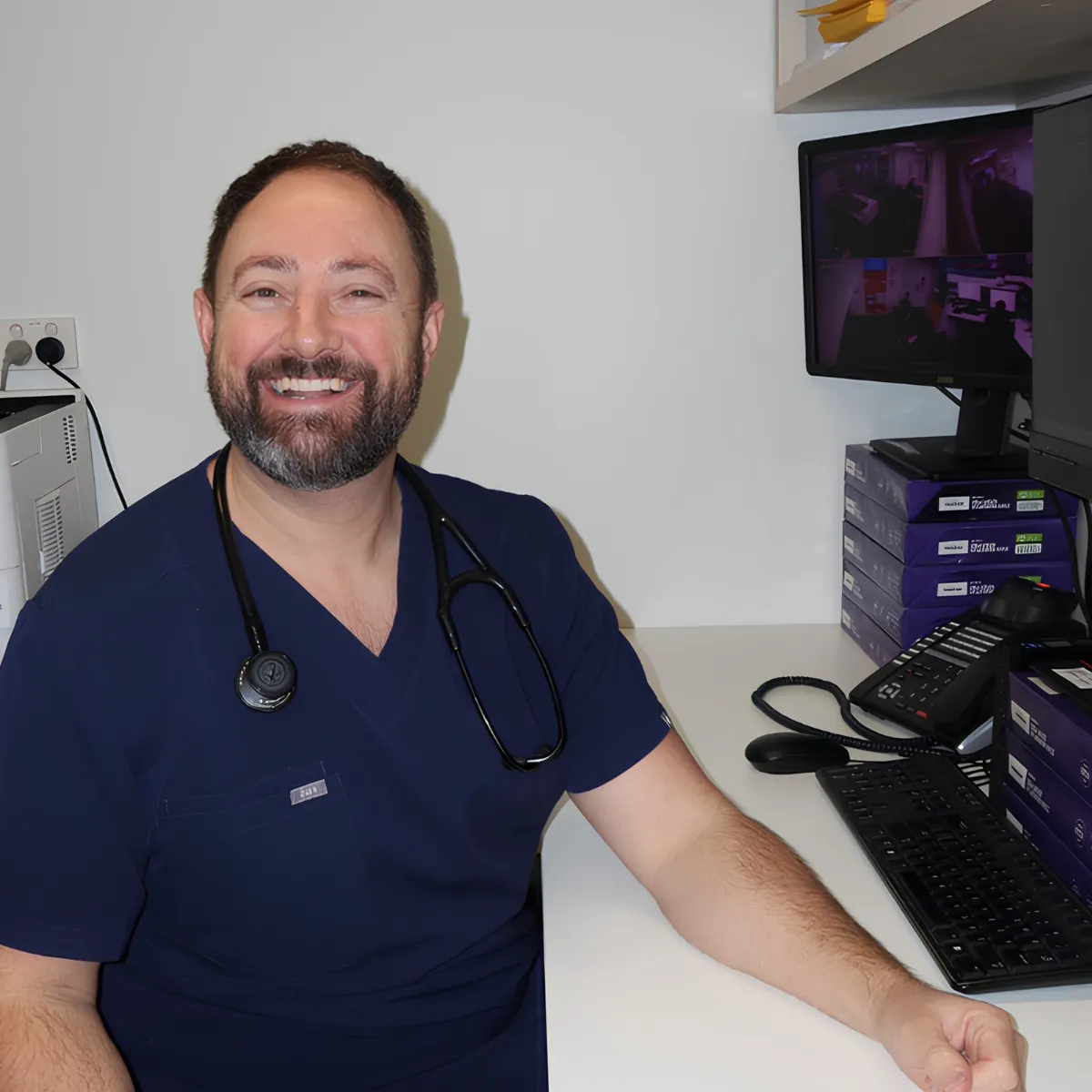
Dr Morris will take a full history, order the right tests, interpret them in context, and talk through the treatment options, including the modern oral preparations that are better absorbed and better tolerated than older ones. If your periods are heavy, iron is monitored against that, because heavier bleeding means more loss and closer follow-up.
Heavy or painful periods
Hormonal and non-hormonal options are both available, and the right one depends on what else is going on for you. Iron is monitored alongside, because heavy periods and low iron travel together and treating one without the other tends not to hold.
Dr Morris prescribes and reviews pills and rings, and can arrange depot injections where appropriate.
For Mirena, Kyleena and Implanon, he refers to GP colleagues who fit these regularly. He would rather send you to someone who does several a week than do one himself occasionally.
Cervical screening
Cervical screening is recommended from age 25 for women and people with a cervix, and is managed in general practice in Australia.
Here, samples are taken by a female nurse. Book an appointment with Dr Morris first for the referral, then a separate appointment is arranged with the nurse to take the sample. Results usually take a week or two.
National Cervical Screening Program
Breast screening
Standard mammograms are provided free by BreastScreen NSW for women who meet the criteria. If you fall outside those criteria, or your situation calls for something more detailed, Dr Morris can request ultrasound, 3D mammography or breast MRI as appropriate.
The initial investigations a fertility specialist will want, for you and for your partner, can be done here in general practice. Dr Morris can then refer you on with your results already in hand, which usually saves a round trip.
Referrals can be made to rainbow friendly fertility specialists, for same sex couples and for anyone whose family does not look like the one the referral forms were designed around.
Initial assessment, investigations and non-hormonal treatment options can all be started here, and hormone replacement therapy can be discussed.
At present Dr Morris refers to GP colleagues with particular expertise for the initiation of HRT. Once you are established on it, he can manage the continuation.
Dr Morris does not perform gynaecological examinations. He does not do them often enough to do them well, and he would rather tell you that up front than have you find out in the room.
If an examination is needed, he will refer you to a GP colleague who does this regularly, or to a specialist. If abnormal bleeding needs urgent assessment, an urgent referral will be made.
Sexual health screening does not require an internal examination. A urine sample is usually enough. If an external area needs to be looked at, a female nurse chaperone is offered.